Is Your LMS Secure? Key Cyber Threats Every Training Manager Should Know About
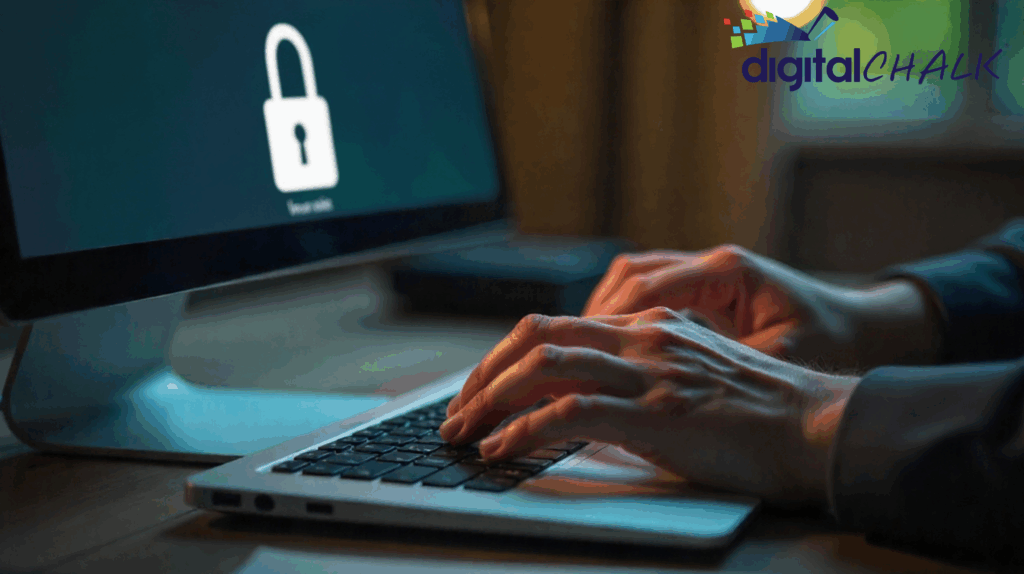
Online learning isn’t just a trend anymore, it has become a centerpiece. As more organizations adopt hybrid and online learning models, the role of a Learning Management System (LMS) is no longer just to deliver content. It manages personal data, credentials, assessments and proprietary training assets.
Yes, while many teams devote resources to crafting engaging content, they sometimes overlook the platform’s security, which is a risk. LMS vulnerabilities aren’t just an IT concern, they are a learning integrity concern. A breach can undermine trust, derail training continuity and invite compliance headaches and troubles.
October is also recognized in the United States as Cybersecurity Awareness Month, a perfect time to audit your LMS defenses and reaffirm your commitment to safe learning!
Why Does LMS Security Matter Now More Than Ever
The surge of remote and hybrid training has made LMS platforms indispensable. These systems hold sensitive information such as personal data, certifications, user credentials and proprietary training materials. A single breach can compromise employee privacy, violate data protection laws and damage an organization’s credibility.
Indeed’s 2024 Career Guide on cybersecurity careers highlights how breaches often come from overlooked vulnerabilities, such as poor password management, outdated software or unsecured data storage. When applied to e-learning, these same weaknesses can disrupt entire training programs, delay onboarding processes and halt compliance-based education.
Read more about how compliance training is necessary and made easy with DigitalChalk. Compliance Training Made Easy: DigitalChalk’s Role in Regulated Industries
For training managers, ensuring LMS security isn’t just about protecting data, but about protecting the learning environment and experiences.
Top Cyber Threats Facing LMS Platforms
Phishing and Credential Theft
Cybercriminals often target login credentials through deceptive login pages and emails. Once compromised, they can access any sensitive learner data or confidential materials.
Weak Passwords and Shared Access
Reused or simple passwords remain one of the most common causes of breaches. Shared accounts also blur accountability, making it easy for intrusions to go unnoticed.
Insider Threats
Employees with legitimate access may sometimes unintentionally expose data through sharing login details, mishandling files and misconfiguring permissions.
Data Leakage
Without encryption and secure storage, personal information and course content can leak through unsecured networks or third-party integrations.
Outdated Software and Plugins
Unsupported LMS versions or unpatched plugins can create exploitable entry points for attackers. According to LinkedIn, cybersecurity experts consider regular patching one of the most straightforward yet most overlooked security steps.
How Training Managers Can Strengthen LMS Security
Building a secure learning ecosystem starts with proactive measures, not reactive fixes. Training managers should:
Require Strong Authentication
Implement multi-factor authentication for all users to reduce the risk of credential theft.
Keep the LMS Updated and Patched
Regularly install updates and security patches to close known vulnerabilities.
Audit User Permissions
Conduct periodic reviews of access rights and immediately remove former or inactive employee accounts.
Provide Cybersecurity Awareness Training
According to Indeed’s workplace cybersecurity insights, staff who understand basic online safety principles are 60% less likely to fall victim to phishing or malware attacks.
Choose a Secure LMS Provider
Platforms like DigitalChalk prioritize encrypted data transmission, role-based access control and secure cloud hosting, giving organizations a strong foundation for safety and compliance.
Security as a Learning Culture
Cybersecurity isn’t just about tools and systems, but about habits. Training managers play a key role in shaping how learners perceive and engage with security protocols. When employees understand the rationale behind these measures, they are more likely to adopt safe digital practices both within and outside their training sessions.
LinkedIn experts emphasize that fostering a security-first mindset can enhance accountability, collaboration and trust across teams. Embedding cybersecurity into your learning culture transforms it from a technical requirement into a shared organizational value.
Building a Safer Learning Environment
Your LMS should be more than functional; it should be fortified. As Cybersecurity Awareness Month reminds us, digital safety is a collective responsibility. By taking proactive steps to secure your learning platform, you not only protect your organization’s data but also ensure a trusted, seamless learning experience for every user.
Ready to assess your LMS security? Explore how DigitalChalk can help you safeguard learning without compromising engagement.